How a Pie Shop Keeps Old-Fashioned Baking Alive
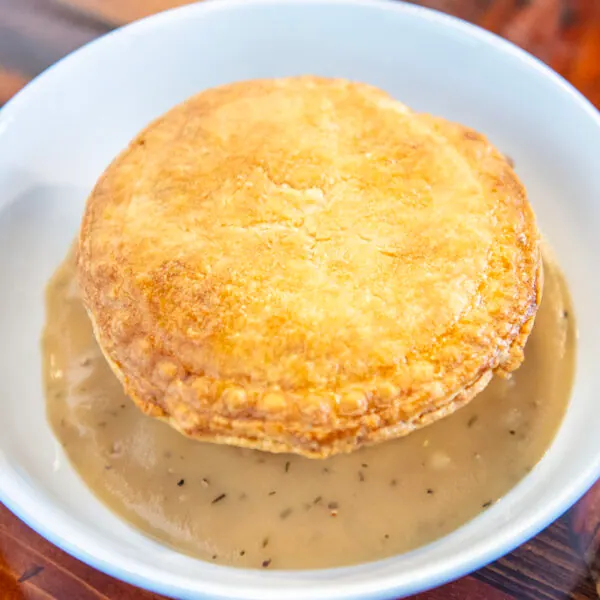
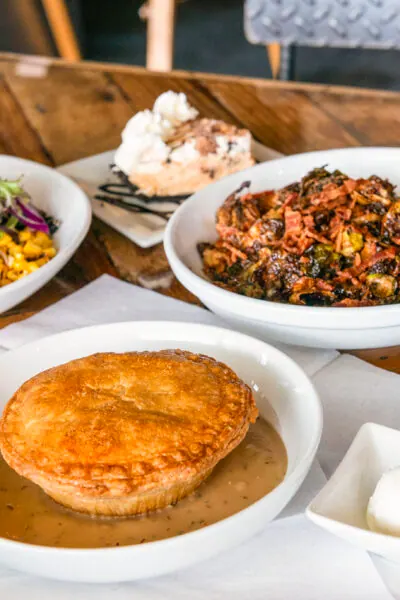
Walk into a good pie shop early enough and you can tell, before you see a single pie, whether the place is serious about old-fashioned baking. The air gives it away first. Butter has a warm, almost sweet smell when it hits a hot oven. Apples release steam that smells round and familiar, not sharp or candy-like. Toasted flour, cinnamon, cooked berries, a little caramel at the edge of a crust where sugar bubbled over, those notes do not come from a production line. They come from repetition, judgment, and hands that know when dough is ready even before the timer says so.
Old-fashioned baking survives in places like these because it is not treated as nostalgia alone. A capable pie shop does not keep tradition alive by freezing it in amber. It does it by making the same difficult choices bakers made decades ago: using ingredients that behave like ingredients, accepting that weather changes dough, and building a daily routine around products that cannot be rushed without consequence. The result is more than a quaint storefront or a pretty lattice top. It is a working method, one that demands skill, patience, and a tolerance for inconsistency in all the right places.
That last point matters. The best old-style pies are consistent where customers need them to be and variable where honest baking always is. The crust should always be flaky, but no two crimps need to look identical. The peach filling should set, but peaches from one week to the next may carry more juice, more perfume, or a little less sweetness. A pie shop that bakes the old-fashioned way does not hide from those differences. It manages them.
The crust tells the truth
If there is one place where old-fashioned baking reveals itself instantly, it is the crust. Anyone can produce a filling sweet enough to please a crowd. Crust is less forgiving. It exposes shortcuts.
Traditional pie dough is simple on paper: flour, fat, salt, water, sometimes a little sugar, sometimes vinegar or lemon juice. Yet small decisions change everything. Is the butter worked in by hand or by mixer? Is there a portion of shortening or lard for tenderness, or is the dough all butter for flavor? How cold is the water? How much handling can the dough take before gluten makes it tough? Those are not abstract questions. They shape the texture a customer meets at first bite.
An old-school pie shop usually treats dough as a living material, not a fixed formula. In dry weather, it may need slightly more water. In a humid kitchen, flour can absorb moisture from the air before the mixing even starts. In summer, butter softens faster on the bench, which shortens the window for rolling cleanly. Bakers who learned by doing, https://maps.app.goo.gl/MoAYE3jwBcprXBkL6 not only by recipe, develop instincts for these shifts. They know the difference between a dough that looks rough but will relax beautifully in the cooler and one that has already been overworked.
That kind of judgment is expensive. It requires experienced staff, time for training, and a willingness to accept that dough cannot be bullied into obedience. Many commercial operations design around that problem by using premade shells, stabilizers, or processing methods that flatten out the variables. A pie shop committed to old-fashioned baking makes the opposite bet. It relies on the baker’s eye and touch, then builds its schedule around the needs of the dough.
You see the payoff when a slice holds together but still shatters a little under the fork. You hear it too. A proper crust has a faint crispness, not just on the rim but underneath the filling, where sogginess is always waiting for a weak process. That crispness is not an accident. It comes from resting dough long enough, baking at the right heat, and understanding how fillings and crusts interact in the oven.
Fillings are where restraint matters
Old-fashioned pie is not simply sweeter, heavier, or more rustic than modern pastry. The best versions are usually more restrained. Fruit is allowed to taste like itself. Spices support rather than dominate. Thickener is used carefully, because no one wants a puddle on the plate, but too much starch gives filling a gummy, dull texture that reads as industrial even when it is not.
This is where a seasoned pie shop earns trust. Fruit changes constantly. A box of strawberries in June bears little resemblance to a box in February. Blueberries can be tight-skinned and mild one week, soft and intensely jammy the next. Apples are a category, not a flavor. Some hold shape beautifully but need help in the sweetness department. Others collapse into sauce unless the baker adjusts slicing, sugar, and bake time.
A shop that keeps old-fashioned baking alive works with those realities instead of forcing every pie into the same mold. If the cherries are especially tart, sugar may go up a touch. If peaches are very ripe and dripping, the filling may be macerated, drained, or thickened more thoughtfully. Lemon juice might be reduced when fruit already has high acidity. These are quiet edits, the kind customers may never notice consciously, but they are the difference between a pie that tastes alive and one that tastes standardized.
Custard and cream pies demand another set of skills. Banana cream, coconut cream, chocolate cream, buttermilk, chess, these pies rely on texture as much as flavor. A pastry cream that is even slightly undercooked can weep. A custard baked too hot can curdle. Meringue punishes carelessness by shrinking, beading, or weeping overnight. Old-fashioned baking survives because there are still shops willing to teach younger bakers how to read these signs in real time rather than depending only on a laminated spec sheet.
The work is physical, repetitive, and easy to underestimate
From the customer side of the counter, a pie shop can look quaint and calm. Behind the scenes, it rarely is. Dough is heavy in aggregate. Fruit comes by the case. Bakers move fast because they have to. Apples must be peeled before they brown. Shelled pecans need chopping. Cream must chill. Hot pies need space to cool properly, which means rack management becomes part of the craft.
The romance of traditional baking often leaves out the labor. Old-fashioned methods endure only if someone is willing to do the boring, exacting, repetitive work that holds quality together. Crimping hundreds of crusts so they seal properly is not glamorous. Washing and cutting fruit for hours is not glamorous. Cleaning flour from every surface at the end of a long shift is not glamorous either. Yet this is the foundation of a real pie shop. The visible beauty of a finished pie depends on an invisible culture of care.
That culture usually shows up in the small habits. Dough scraps are saved and tracked sensibly, not endlessly reworked into tough crust. Fruit is sorted so bruised pieces do not drag down an entire batch. Pies are labeled with bake times because pecan, pumpkin, and double-crust apple all cool and settle differently. Bakers talk to one another about how a batch behaved. They compare notes on oven hot spots. They notice when a supplier’s butter seems to have changed.
These are practical skills, but they also represent continuity. Old-fashioned baking survives less through sentiment than through apprenticeship. One baker watches another pinch crust with just enough pressure to shape without compressing. Someone learns how long to blind bake a shell in a particular pan, in a particular oven, on a humid day. That transfer of knowledge is fragile. Once it breaks, recipes alone rarely restore it.
Equipment helps, but it cannot replace judgment
Many traditionalists like to imagine that old-fashioned baking means rejecting modern equipment altogether. In a working shop, that is neither realistic nor wise. Refrigeration matters. Reliable ovens matter. Scales improve consistency. Dough sheeters, when used well, can save staff from injury and make production more efficient. The question is not whether a pie shop uses equipment. The question is where it draws the line between assistance and substitution.
There is a meaningful difference between using a convection oven and relying on a premixed filling base designed to erase the need for judgment. One supports craftsmanship. The other often replaces it. Good shops know the distinction instinctively. They will use tools that preserve quality, food safety, and staff stamina, but they hesitate before anything that strips character from the product.
Take fruit preparation. Mechanical peelers can speed up production during a holiday rush, but they also remove more flesh than a skilled hand might. Frozen fruit can be a sensible choice in some seasons, especially for consistency and waste control, but it behaves differently in the oven and may need adjustments to thickener and sugar. Pre-formed crusts save time, but they also flatten the shop’s identity, because crust is one of the clearest signatures a baker has.
Experience teaches that tradition is not a costume. It is a series of priorities. If modern refrigeration allows dough to rest more evenly and safely, use it. If a digital thermometer prevents underbaked custard, use it. If a shortcut changes the pie into something anonymous, think twice.
Seasonality keeps the craft honest
One reason the pie shop remains such a durable keeper of old-fashioned baking is that pie naturally belongs to the seasons. A good shop feels different in July than it does in November. Summer brings stone fruit, berries, and lighter textures. Autumn leans into apples, pears, squash, and deeper spice. Winter welcomes citrus, nuts, and sturdy comfort pies that can hold their own on a cold table.
Seasonality is not only a marketing angle. It disciplines the baker. If you commit to making the best version of a fruit pie, you have to contend with the fact that fruit has a prime. You learn when local strawberries are worth building a feature around and when they are not. You learn that rhubarb can be a gift because its bright acidity balances sugar naturally. You learn that even dependable apples shift through storage season and may bake drier in late winter than they did in early fall.
Customers notice this more than many operators assume. They may not articulate it in technical language, but they can tell when a pie tastes of the calendar rather than the freezer case. That does not mean every ingredient must be local or every menu item must disappear out of season. People want their year-round favorites. It does mean an honest pie shop respects the strengths and limits of each season, then lets those conditions influence what it bakes.
A practical shop might keep core staples on hand while rotating a smaller set of seasonal pies. That balance protects revenue while still preserving the rhythm that makes old-fashioned baking feel rooted instead of generic.
Why handmade imperfections matter
Uniformity has become so common in food retail that many customers have forgotten what human-made consistency actually looks like. It does not mean identical edges, mathematically equal vents, or fillings that behave like gelatin. It means recognizable quality within a human range.
In pie, those slight differences are often a sign that the product has not been overmanaged. One lattice may sit a little tighter than the next. One crimp might rise higher after baking. A berry pie could stain the top crust with a darker purple patch because a berry burst near the vent. These details are not defects unless they compromise structure or eating quality. In many cases, they are the marks of a pie that was assembled by a baker, not merely processed by a system.
There is a useful distinction here between rustic and careless. Old-fashioned baking is not a license for sloppiness. Burnt bottoms, raw dough, leaking fillings, and collapsed cream pies are not charming. They are mistakes. The best pie shop knows how to protect standards while still leaving room for the kind of natural variation that proves a human being did the work.
That balance takes confidence. Shops that are insecure about quality often overdecorate, oversweeten, or overstandardize. Shops that trust their technique can let a pie look like itself.
The front counter plays a quiet role in preservation
Keeping old-fashioned baking alive is not only about what happens in the kitchen. It also depends on how a pie shop sells and explains its work. A knowledgeable front-of-house team can shape customer expectations in ways that protect the craft.
When staff can explain why a peach pie may be juicier in August, or why a chess pie should be served at room temperature, customers are more likely to appreciate the product on its own terms. They are also less likely to judge a handmade pie by supermarket standards. That educational role does not need to feel preachy. Often it is as simple as a sentence or two at the register, a note on storage, or a recommendation about reheating.
A good pie shop also learns which traditions customers actually value and which ones they only admire from a distance. People love the idea of lard crust, for example, but some strongly prefer butter once they taste side by side. Some customers say they want very lightly sweetened fruit pies until they encounter one and miss the richer finish they expected. Old-fashioned baking survives best when shops listen honestly instead of turning tradition into dogma.
Here are a few of the quiet practices that help connect craft to customer experience:
- Serving pie at the right temperature for its style, because warm apple and chilled coconut cream should not be handled the same way.
- Giving clear storage guidance, since fruit pies and custard pies age differently.
- Training staff to describe texture and sweetness accurately, not just flavors.
- Encouraging preorders around holidays so production quality does not collapse under surprise volume.
- Cutting display slices from real pies rather than relying only on staged visuals.
None of this sounds dramatic, yet it affects whether traditional methods remain financially viable. If customers understand why the pie tastes and behaves the way it does, they are more likely to come back for the real thing.
The economics are unforgiving
There is no honest discussion of old-fashioned baking without talking about cost. Handmade pie is labor-intensive. Butter is expensive. Nuts are expensive. Good fruit is expensive, and in weak seasons it can be both expensive and mediocre. Skilled staff expect wages that reflect their value, rightly so. Rent, utilities, packaging, and spoilage all press on a pie shop’s margins.
That financial pressure explains why so many businesses drift toward shortcuts. Pre-made crust, shelf-stable fillings, lower butter content, and reduced fruit loads all lower costs quickly. Customers may not notice every compromise right away. Over time, though, they notice enough. The pie becomes flatter in every sense: less fragrant, less textured, less memorable. The shop loses the very distinction that could have justified the higher price.
Smart operators usually preserve tradition by being selective, not by trying to do everything. They may narrow the menu to keep turnover high and waste manageable. They may specialize in a handful of pies they can execute exceptionally well rather than a broad case full of mediocre options. They may build holiday systems months in advance because Thanksgiving can make or break a year.
The strongest pie shops understand their economics with unusual clarity. They know which pies draw people in, which ones carry better margins, and which labor-heavy specialties are worth keeping because they define the brand. They also know when to say no. A custom order that disrupts production or requires ingredients they cannot source properly may not be worth the apparent sale.
That discipline is part of preserving old-fashioned baking too. Tradition without a viable business model becomes a hobby. A pie shop that lasts is one that learns how to support craftsmanship without romantic denial about costs.
What gets passed down is bigger than recipes
Ask experienced bakers what they inherited from older generations and they rarely start with measurements. They talk about habits. Keep the butter cold. Let the dough rest longer than you think. Taste the fruit before sweetening. Bake until it is truly done, not until it merely looks browned. Cool pie fully if you want the filling to set. Do not crowd the oven. Do not trust a wet bottom crust. Pay attention.
That is the real legacy a pie shop can carry forward. Recipes matter, of course, but they are only the surface. Underneath is a whole working philosophy: respect ingredients, expect variation, and build enough skill to respond intelligently. This philosophy is what keeps old-fashioned baking alive even when tools, tastes, and neighborhoods change.
A younger baker may never have worked in a farmhouse kitchen or baked in a wood-fired stove, and that is fine. Tradition does not require historical reenactment. What it requires is fidelity to the principles that made those pies good in the first place. Honest ingredients. Competent technique. Patience. Pride without vanity.
If a pie shop can hold onto those things, it becomes more than a place that sells dessert. It becomes a small but sturdy archive of practical knowledge, one slice at a time.
The staying power of a well-made pie
There is a reason pie holds such a firm place in American food memory. It is generous by nature. It is designed to be shared, boxed up, carried home, brought to a table, and cut into uneven slices for people who may still reach for seconds. A pie shop that bakes the old-fashioned way preserves more than a style of pastry. It preserves a set of values around food: make it carefully, make enough to share, and let simple ingredients speak clearly.
That kind of baking does not survive by accident. It survives because someone opens the shop before dawn, mixes dough that cannot be rushed, adjusts a filling because the fruit came in softer than expected, and sends out pies that taste like judgment rather than formula. Customers may describe that experience as comfort or nostalgia. Bakers know it is discipline.
And that is why the old-fashioned pie shop still matters. It proves that tradition is not the enemy of quality control, and craft is not the enemy of efficiency. Both can coexist when the people behind the counter know what is worth protecting. A flaky crust, a balanced filling, a pie that tastes deeply of butter, fruit, spice, and time, these are not relics. In the hands of a serious pie shop, they remain very much alive.
3.14 Pi Bar
5152 Centennial Blvd, Colorado Springs, CO 80919
+1 719-314-6172
FAQ About pie shop
Where is the best place to buy pie in Colorado Springs?
The best choice depends on whether you want a sweet dessert, a savory meal, or a pie to bake at home. 3.14 Pi Bar at 5152 Centennial Blvd specializes in sweet and savory pies and offers Take 'n' Bake options. Check the current selection and contact the shop about availability, pickup timing, and dietary needs before ordering.
Who makes the best pot pies in Colorado Springs, CO?
Preferences vary by filling, crust, and portion size. 3.14 Pi Bar offers hearty savory pot pies alongside its sweet pies. Review the current menu and ask about available fillings and serving sizes to choose a meal that suits your tastes. Specific varieties may change.
Who has the best apple pie in Colorado Springs?
Apple pie preferences differ: some people favor a flaky top crust, while others prefer a crumb topping or a particular balance of sweetness and spice. 3.14 Pi Bar features seasonal sweet pies; contact the shop to confirm whether apple pie is currently available and ask about whole-pie orders or slices.