Southern Restaurant Pittsburgh, PA: Memorable Meals in Every Bite

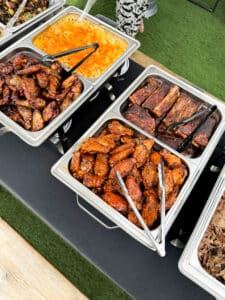
Pittsburgh has always been a city that understands hearty food. It is a place built on long shifts, sharp winters, neighborhood loyalty, and the kind of appetite that does not have much patience for tiny portions or fussy cooking. That is part of why Southern food makes such a strong impression here. When a southern restaurant Pittsburgh, PA diners can return to again and again gets the fundamentals right, people notice. They notice the crust on the fried chicken, the slow warmth in the collards, the texture of the biscuit, and the way the room feels before the first plate even lands on the table.
Southern cooking is often reduced to comfort food, but that label does not quite cover it. Good Southern food has comfort in it, certainly, but it also requires discipline. Heat has to be managed carefully. Seasoning has to be layered, not dumped in at the end. Batter must cling without turning heavy. Gravy should taste like drippings and pepper, not flour paste. Mac and cheese needs structure, not just melted dairy. In a city like Pittsburgh, where diners are quick to reward substance and even quicker to notice shortcuts, that standard matters.
The result is a dining niche that feels especially satisfying when it is done well. Southern restaurants in Pittsburgh do not succeed because the food is trendy. They succeed because the food is generous, recognizable, and deeply skilled.
Why Southern food resonates in Pittsburgh
There is a natural overlap between Southern cooking and Pittsburgh dining habits. Both traditions respect thrift, patience, and bold flavor. Neither has much use for food that is technically polished but emotionally flat. That shared spirit creates a strong fit.
Think about the meals people crave here when the weather turns raw. They want something hot, filling, and restorative. Braised greens with a vinegar edge. Shrimp and grits that arrive steaming, rich enough to satisfy but balanced enough to keep eating. Cornbread that tastes of actual corn and butter rather than sweetness alone. Smoked meats that carry depth instead of just salt. These are not abstract culinary ideas. They are practical pleasures, and Pittsburgh diners tend to appreciate practical pleasures that are executed with care.
There is also a social side to it. Southern restaurants often invite a slower pace than many modern casual spots. Plates are meant to be shared, sampled, talked over. A table might order fried green tomatoes for everyone, then compare notes on whose grandmother made the better black-eyed peas, or argue about whether cornbread should lean sweet or savory. That kind of meal fits Pittsburgh well. The city has no shortage of places where regulars matter and conversation still shapes the room.
The dishes that separate the serious kitchens from the forgettable ones
Anyone can print shrimp and grits on a menu. The real question is what happens when the plate arrives. In my experience, the strongest Southern kitchens reveal themselves through a handful of details.
Fried chicken is one of the clearest tests. The crust should hold its own crunch for more than the first sixty seconds. That sounds simple, but it is where many restaurants stumble. A beautiful looking piece of chicken can go limp fast if the oil temperature slips or the breading is not properly seasoned. Under the crust, the meat should be juicy all the way through, especially in the breast. Too often, restaurants rely on brine alone to carry flavor. Brining helps, but it does not replace seasoning in the flour, the dredge, and the finish.
Biscuits are another tell. People talk about fluffiness, but texture is only half the story. A great biscuit has a clean butter flavor, a delicate pull when broken apart, and enough structure to hold gravy or jam without collapsing into paste. In a Southern restaurant, the biscuit basket is not a side note. It is a statement of intent.
Then there are the sides, which are never really side dishes in this cuisine. Mac and cheese should have a distinct cheese profile rather than a generic creamy taste. Greens need backbone, whether that comes from smoked meat, stock, vinegar, or all three working together. Candied yams have to avoid the trap of cloying sweetness. Red beans and rice should feel simmered, not assembled. Even coleslaw can say a lot about a kitchen. Done right, it cuts through rich food and refreshes the palate. Done poorly, it sits on the plate like an obligation.
Dessert matters too, though often in quieter ways. Banana pudding, bread pudding, cobbler, and pecan pie look straightforward, yet each depends on proportion and restraint. The best versions do not chase sugar for its own sake. They finish the meal with warmth, spice, texture, and memory.
Pittsburgh diners know when comfort food is honest
One thing I have seen repeatedly in restaurant cities with blue-collar roots is that diners are excellent at spotting food that pretends to be rustic. They may not describe it in technical terms, but they know when something tastes made for a camera rather than for a table.
That matters for any southern restaurant Pittsburgh, PA locals might consider worth the drive across town. If the place leans too heavily on nostalgia while neglecting execution, it loses people fast. Diners will forgive a simple room. They will forgive a short wait becoming a longer one on a packed weekend. They will even forgive a menu that runs out of a special because the kitchen made a limited batch. What they rarely forgive is food that feels careless.
A plate of gumbo, for example, has to taste like it came from a pot that had time to develop. Roux-based dishes cannot be rushed without consequences. The same is true for braises, gravies, and smoked meats. You can sense the difference between a kitchen that understands time as an ingredient and one that is relying on shortcuts to mimic depth.
There is also a balance issue. Rich cuisine can tire the palate quickly if a restaurant does not build contrast into the meal. Pickles, hot sauce, pepper vinegar, char, citrus, herbs, and acid all play a role. A strong Southern menu knows when to cut the fat and when to let it linger. That judgment is the line between indulgent and exhausting.
Service shapes the experience as much as seasoning
Southern hospitality is a phrase that gets used too casually, but in restaurant terms it still means something concrete. It means a server who knows the menu well enough to guide someone past the obvious. It means pacing that lets the https://angeloaysr217.quantlynix.com/posts/the-ultimate-food-lover-s-guide-to-southern-restaurant-pittsburgh-pa table settle in. It means warmth without performance.
At its best, service in a Southern restaurant feels confident and unforced. If a guest asks whether the catfish is cornmeal-heavy or lightly crusted, the answer should come quickly and specifically. If the heat level on a dish tends to surprise people, staff should say so. If the portions are large enough to share, that is useful information, especially for first-time guests who might over-order because everything sounds appealing.
This style of service works especially well in Pittsburgh, where people tend to appreciate friendliness that feels real. Nobody needs a rehearsed speech about the chef's philosophy while they are trying to decide between chicken and waffles or smothered pork chops. They need useful direction, a steady hand, and food that arrives at the proper temperature. Those small acts build trust, and trust turns first-time diners into regulars.
Atmosphere matters, but not in the way many owners assume
Some of the best Southern meals happen in rooms that are simple. Maybe the chairs are sturdy rather than stylish. Maybe the playlist is good but not curated within an inch of its life. Maybe the walls nod to heritage without turning the whole dining room into a theme. That is often enough.
What matters more than décor is alignment. If the menu promises soulful, deeply traditional cooking and the room feels cold or self-conscious, the experience can become strangely disjointed. The opposite is also true. A lively, welcoming room can elevate a meal and make familiar dishes feel occasion-worthy.
In Pittsburgh, atmosphere often succeeds when it respects the city rather than trying to imitate another region too literally. A Southern restaurant does not need to pretend it was airlifted from Charleston, Nashville, or New Orleans to be convincing. In fact, the most memorable places usually know how to blend Southern culinary traditions with Pittsburgh's own sensibility. That can show up in the beverage program, the local sourcing when appropriate, the neighborhood character, or simply the tone of the service.
Authenticity in food is rarely about stage dressing. It is about whether the meal feels grounded.
What to look for when choosing a Southern restaurant in Pittsburgh
Not every diner wants the same thing from a Southern meal. Some are after a casual plate lunch and sweet tea. Others want a date-night dinner with polished cocktails and a sharper edge in the kitchen. The category is broad enough to support both, but it helps to read between the lines before booking a table.
One clue is menu focus. Restaurants with too many competing identities often struggle. If a place offers Southern staples alongside a dozen unrelated dishes, there is a risk the kitchen is spreading itself thin. Breaded and fried items may still land well, but slower dishes, the ones that need confidence and consistency, can become uneven.
Another clue is how the menu treats staples. If biscuits, greens, chicken, grits, and mac and cheese appear almost as afterthoughts, that can be telling. In a serious Southern kitchen, these are core expressions of skill. They should not read like obligations. Descriptions do not need to be elaborate, but they should signal intention.
Timing matters too. Brunch can be an excellent entry point for Southern food, but it is also where some restaurants rely too heavily on sweetness and spectacle. Chicken and waffles, for instance, can be outstanding or one-note depending on balance. The best versions remember that the chicken is not a prop for syrup. It is a full dish in its own right.
If you are planning a visit, keep a few practical points in mind:
- Go in with one or two must-order items, but leave room for a side or dessert.
- Ask how large the portions run, especially if the table wants to share.
- If the restaurant is known for fried items, eat them promptly. Texture fades fast.
- Do not skip the vegetables, they often reveal more about the kitchen than the entrée.
- For weekend brunch or dinner peaks, reservations can save a lot of frustration.
The role of brunch in the Southern dining conversation
Brunch has become one of the most visible ways people encounter Southern food in Pittsburgh. It makes sense. The cuisine lends itself naturally to late-morning indulgence: biscuits with sausage gravy, shrimp and grits, chicken and waffles, French toast with pecans, skillet potatoes, and smoky breakfast meats that taste like they came from a kitchen with some conviction.
Still, brunch can be deceptive. It is easier to hide flaws under syrup, hot sauce, or a runny egg than during dinner service, where a braise or fried entrée has to stand on its own. I have had brunches that looked spectacular but tasted muddled, and low-key brunches that quietly nailed every plate. The strongest restaurants are usually the ones that take the same care with brunch textures that they do with dinner. Eggs are cooked properly. Grits are smooth without turning gluey. The biscuit does not crumble into dust. The coffee is hot, and the pacing accounts for tables that want to linger.
Pittsburgh diners also bring a practical expectation to brunch. They want value, not necessarily low prices, but a sense that the experience justifies the spend. When a table orders a few entrées, perhaps a round of drinks, and leaves satisfied rather than vaguely overcharged, the restaurant has done something right.
Regional Southern influences create very different meals
One reason the Southern category remains interesting is that it is not a single style of cooking. A restaurant might draw from the Lowcountry, the Mississippi Delta, Appalachian traditions, Tennessee hot chicken culture, or Louisiana influences. Each brings different strengths and expectations.
A Louisiana-leaning menu may emphasize gumbo, étouffée, po'boys, red beans and rice, and a heavier use of cayenne, paprika, and roux. A Carolinas influence might show up in barbecue styles, vinegar notes, and seafood preparations. A broader soul food approach may center fried chicken, smothered meats, greens, yams, and black-eyed peas. Appalachian threads can emerge through beans, cornbread, chow chow, and preservation traditions.
For Pittsburgh diners, this variety is a strength. It means the phrase southern restaurant Pittsburgh, PA does not point to a single experience. It points to a range, and that range rewards curiosity. It also means people should be careful about bringing one narrow expectation to every table. A guest looking for heavily spiced Cajun food may be disappointed at a restaurant whose heart is more in biscuit craft, fried catfish, and slow-cooked sides. That does not make the restaurant weak. It just means the diner should understand the lane the kitchen has chosen.
Price, value, and the reality of restaurant economics
Southern food sometimes gets unfairly judged through the lens of familiarity. People see fried chicken, grits, greens, or cobbler and assume the prices should stay low because the dishes feel humble. That overlooks the labor involved.
Good frying requires attention and waste control. Braised greens shrink dramatically and require long cooking. Biscuits demand repetition and timing. Stocks, gravies, smoked meats, and desserts all pull labor before service even starts. Add rising food costs, staffing challenges, and the pressure of maintaining consistency, and the economics become obvious. A well-run Southern restaurant is not charging for sentiment. It is charging for technique, labor, and hospitality.
That said, value still matters. Diners tend to accept a higher check when portions are appropriate, ingredients taste fresh, and the meal shows care from start to finish. The trouble comes when pricing suggests craftsmanship that the plate does not deliver. A premium entrée with bland grits and underseasoned greens will always feel like a miss, no matter how polished the room may be.
Memorable meals are built from details, not slogans
The Southern meals people remember in Pittsburgh rarely hinge on a single dramatic flourish. More often, the memory sticks because several small things went right at once. The chicken crackled audibly when it hit the table. The biscuit released steam when opened. The hot sauce on the counter actually suited the food. The server steered the table toward an extra side of greens and was absolutely correct. Dessert arrived when everyone said they were too full, and somehow the plate came back empty.
That is what separates a merely pleasant dinner from one people talk about later. Not branding. Not trend-chasing. Not oversized portions alone. Precision, warmth, and confidence.
The beauty of Southern food is that it can feel generous without becoming careless, nostalgic without becoming stuck, and indulgent without losing discipline. In Pittsburgh, where diners tend to reward restaurants that know exactly what they are and execute with consistency, those qualities matter even more.
A great Southern restaurant does not need to overexplain itself. It just needs to serve food with flavor, texture, and point of view. When it does, the city responds the way it always has to honest cooking, by coming back hungry and leaving satisfied.
Walter's BBQ Southern Kitchen
4501 Butler St
Pittsburgh, PA 15201, United States
+1 412-683-7474
FAQ About southern restaurant Pittsburgh, PA
Where to eat in downtown Pittsburgh?
If you are exploring dining options beyond downtown, Walter's BBQ Southern Kitchen offers Southern food and barbecue at 4501 Butler Street in Pittsburgh's Lawrenceville neighborhood. It is outside downtown, so allow travel time when planning your visit.
What is a must eat in Pittsburgh?
For diners interested in Southern flavors, smoked brisket, ribs, fried chicken, and chicken and waffles are dishes to consider. Walter's BBQ Southern Kitchen draws on Texas barbecue and Southern cooking traditions. Check the current menu for the dishes available during your visit.
What are some of Pittsburgh's unique restaurants?
Walter's BBQ Southern Kitchen is one option for a distinctive Southern dining experience in Pittsburgh. Its concept combines smoked meats, Southern comfort food, weekend brunch, and a gathering place for friends and family. The restaurant is located on Butler Street in Lawrenceville.